

A tank-style water heater needs occasional attention. Two important maintenance items are sediment in the tank and the sacrificial anode rod that protects the steel tank from corrosion. These are related to water-heater care, but one problem does not automatically prove the other.
Flushing sediment from the tank
Minerals and other material may settle at the bottom of a tank, particularly where the water is hard. Accumulation can contribute to noise and affect heating performance.
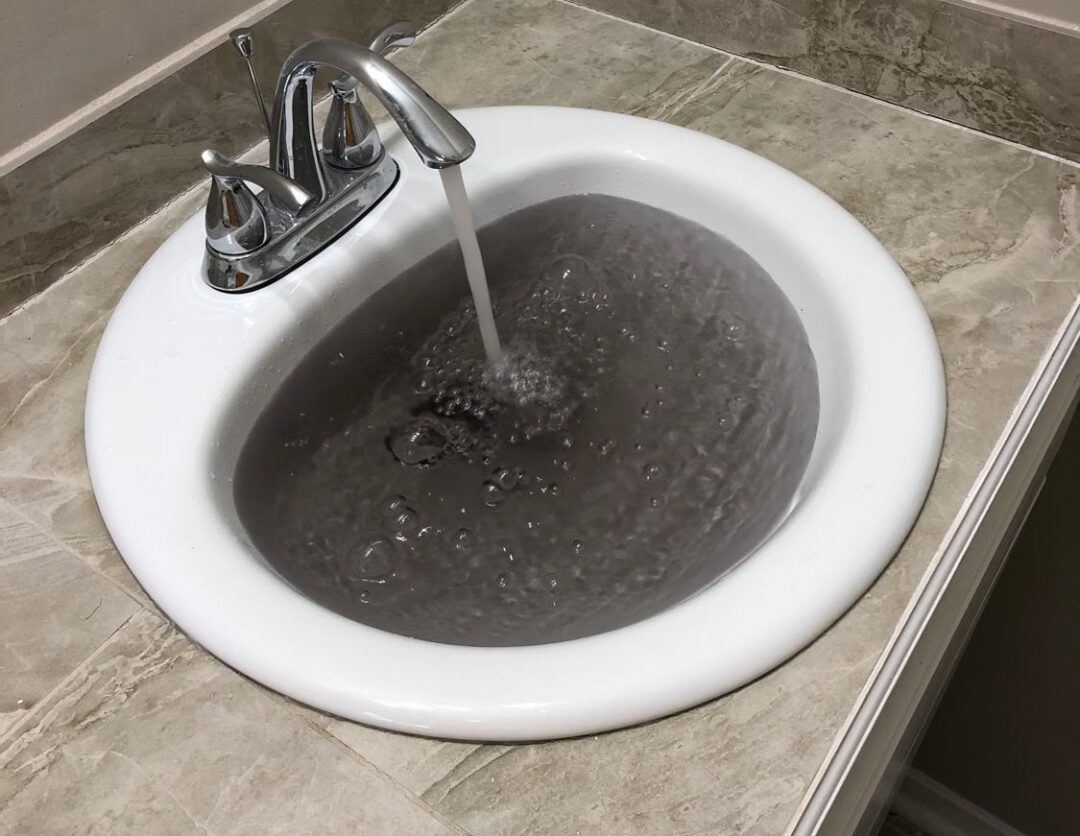
Follow the maintenance instructions for your particular heater; the procedure is not identical for every model.
- Review the manufacturer’s instructions and the heater’s age and condition before starting.
- The heater contains hot water and may be connected to electrical power or gas. Turn it off using the manufacturer’s procedure and allow water to cool before draining.
- Use an appropriate hose and safe drainage location. Hot discharge water can cause burns or property damage.
- Do not restore power to an electric water heater until the tank is completely refilled and air has been purged as directed by the manufacturer.
- If a drain valve is seized or leaking, or the tank has not been serviced in many years, have a qualified plumber assess the safest approach.
Inspecting the anode rod
First and foremost, this will be an invasive inspection, as it includes dismantling parts of the water heater.
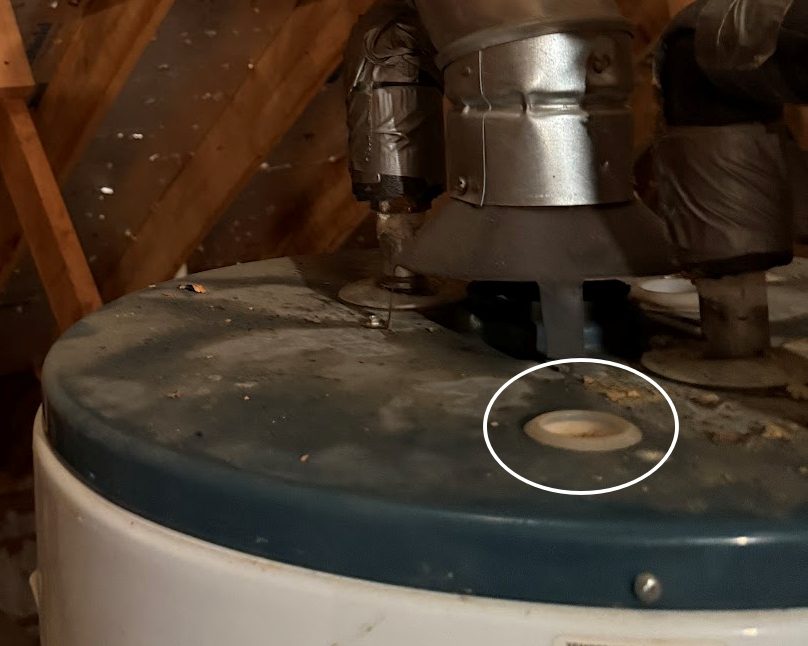
The sacrificial anode is commonly installed through the top of the tank, sometimes as part of the hot-water outlet connection. When removing the rod, if the hex head is set below the top of the heater, you’ll need a 1-1/16-in. socket to reach it. If it protrudes above the top, you can use any type of wrench. Its location, construction and replacement criteria depend on the appliance model. Magnesium and aluminum-alloy rods gradually corrode to protect the steel tank. If left in the tank for too long, it’s life cycle may be affected.
The inspection may require working with pressurized plumbing connections and loosening a rod that is difficult to remove without first draining the tank is NOT a good idea. Call a professional plumbing contractor to check the rod against the water heater manufacturer’s replacement criteria, select a compatible replacement and after replacement, confirm that connections are watertight.
What maintenance schedule makes sense?
There is no single inspection interval for every heater. Water chemistry, the presence of a softener, tank design and the manufacturer’s instructions all matter. Many homeowners benefit from reviewing the heater’s maintenance schedule annually and arranging an anode inspection when recommended. A water softener can increase anode consumption, so the manufacturer’s guidance is especially important.
When maintenance may not be the answer
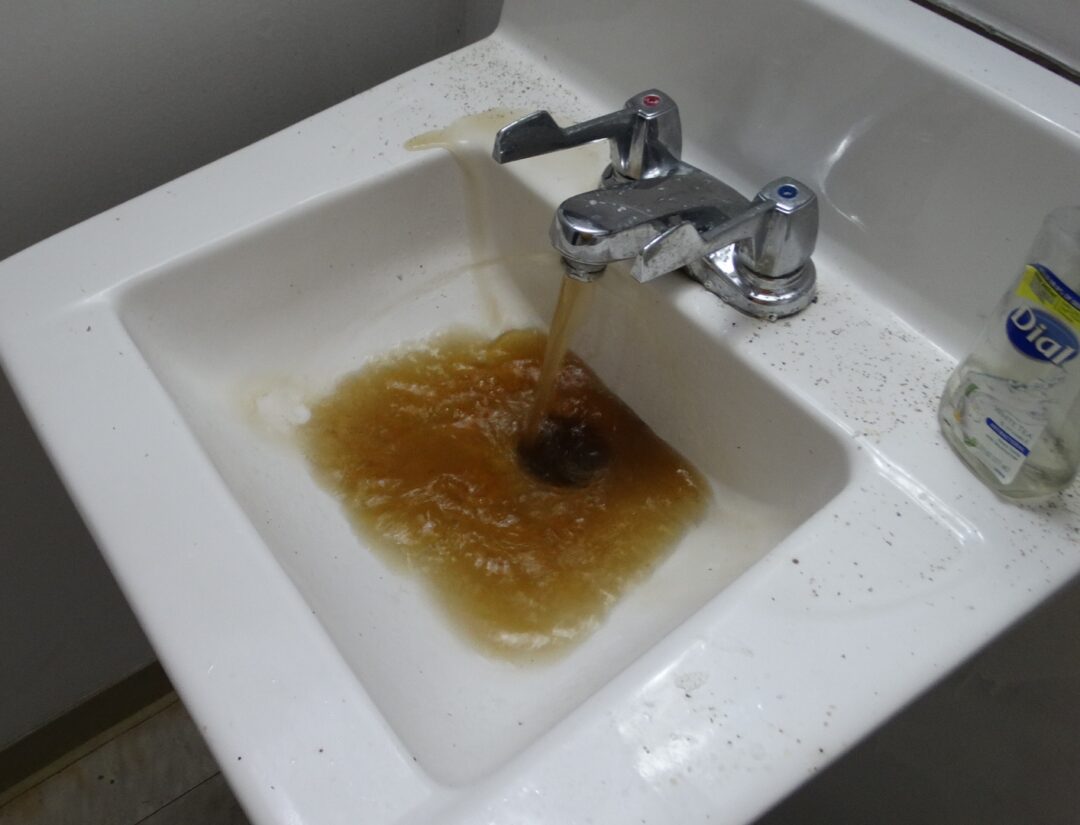
Rust-colored water, persistent leaks, significant corrosion or a severely deteriorated older heater warrant professional evaluation. Flushing sediment or replacing an anode cannot repair a tank that has already rusted through.
If you arrived here because your hot water smells unusual, start with Part 1: Smelly Hot Water? 10 Reasons Your Water Heater May Need Attention. For a heater without a storage tank, see Tankless Water Heater Descaling.