

Estimated reading time: 4 minutes
Vent-Free Fireplace Odor: What It May Mean and What to Do
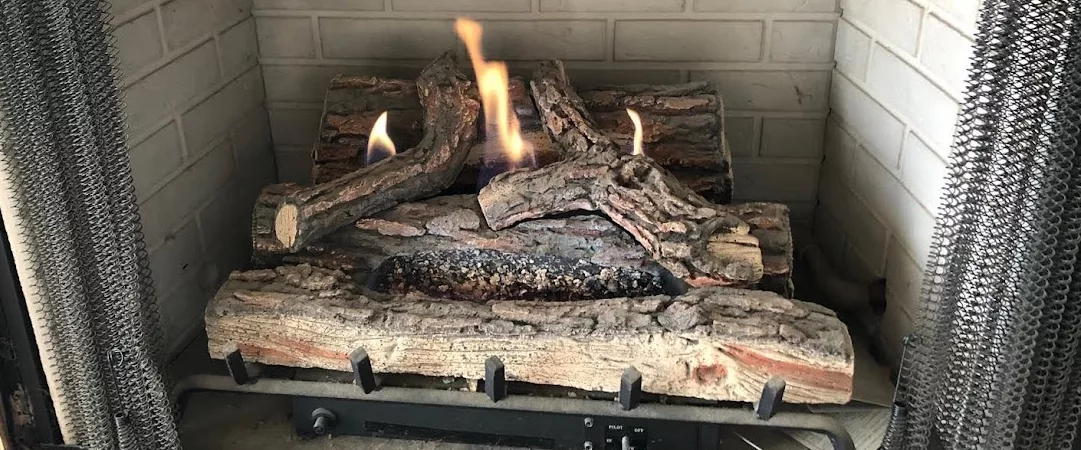
During a home inspection in Central Mississippi, I operated a vent-free gas log set and noticed a distinct odor—a mix of burning dust and a kerosene lamp.
The household included three dogs and two cats that spent time indoors and outdoors. That made dust and pet hair worth considering, but their presence did not establish the cause. An odor can alert an inspector to a concern without telling us exactly what is wrong.
Why a vent-free fireplace can produce an odor
A vent-free appliance draws combustion air from the room and releases its combustion products into that same space, the space you breathe. Vapors from household products can enter the flame and produce an unpleasant smell. Manufacturer troubleshooting guides identify paint, cleaning products, adhesives, tobacco smoke, and new carpeting or textiles as possible contributors.
Dust, lint, and pet hair can also accumulate around the burner and pilot assembly. Depending on where it collects, that material can interfere with airflow and appliance operation. Cleaning requirements vary by model, so the appliance’s own instructions matter.
These are possible explanations, not a diagnosis. A recurring odor should not automatically be blamed on pets, housekeeping, fuel quality, or an inexpensive log set.
This discussion focuses on vent-free appliances. Vented gas logs are designed to discharge combustion products through a functioning chimney, but that does not make them immune to odor or combustion problems. An unexplained indoor odor deserves attention, regardless of appliance type.
Odor does not tell you whether combustion is safe
Complete combustion of natural gas produces carbon dioxide and water vapor. Actual gas appliances can also produce pollutants, including carbon monoxide and nitrogen dioxide. Fuel impurities are not the only explanation: combustion conditions and appliance operation matter. With a vent-free appliance, those emissions enter the home rather than being carried outdoors through a flue.
Carbon monoxide has no smell.
A strong odor doesn’t indicate how much CO is present, and no odor doesn’t mean an appliance is operating safely.
🔔 Soot accumulating on a vent-free log set is another reason to stop using it and arrange service. Manufacturers link soot to incorrect log placement and obstructed burner openings. Soot is a warning sign, not a measurement of the room’s carbon monoxide concentration.
What the oxygen-depletion system does
Vent-free gas log sets incorporate an oxygen-depletion sensing system, commonly called an ODS. It’s designed to shut off the gas when oxygen conditions at the pilot become inadequate. It does not measure carbon monoxide and shouldn’t replace a CO alarm. Install CO alarms on every level of the home and outside sleeping areas, following the alarm manufacturer’s placement instructions. Placing an alarm next to the fireplace is not an appropriate general instruction.
What I recommend to homeowners
If the appliance develops a persistent or recurring odor, has trouble igniting, produces soot, or repeatedly shuts down, I recommend leaving it off until a qualified gas-appliance technician can evaluate the problem. When requesting service, provide the appliance’s make and model, explain when the problem occurs, and mention any recent painting, cleaning, or other changes in the home that might be relevant.
Homeowners should follow the manufacturer’s instructions when cleaning the appliance. For problems involving the burner, pilot, gas pressure, or log placement, it’s best to call a qualified technician. Removing visible dust may help, but it does not necessarily resolve the underlying problem.
If you suspect a gas leak, leave the building immediately.
Do not operate switches, use a phone inside, or stay indoors to investigate or try to repair it. From a safe location, call the gas supplier’s emergency number or 911.
If a CO alarm sounds, or occupants develop symptoms such as headache, dizziness, or nausea while the appliance is operating, get everyone outside and call 911. Do not reenter until emergency responders say it is safe.
In the home I inspected, I found an odor. Dust and household contaminants may have contributed. My responsibility was to explain that distinction and help the client obtain a reliable answer before continued use. READ MORE