
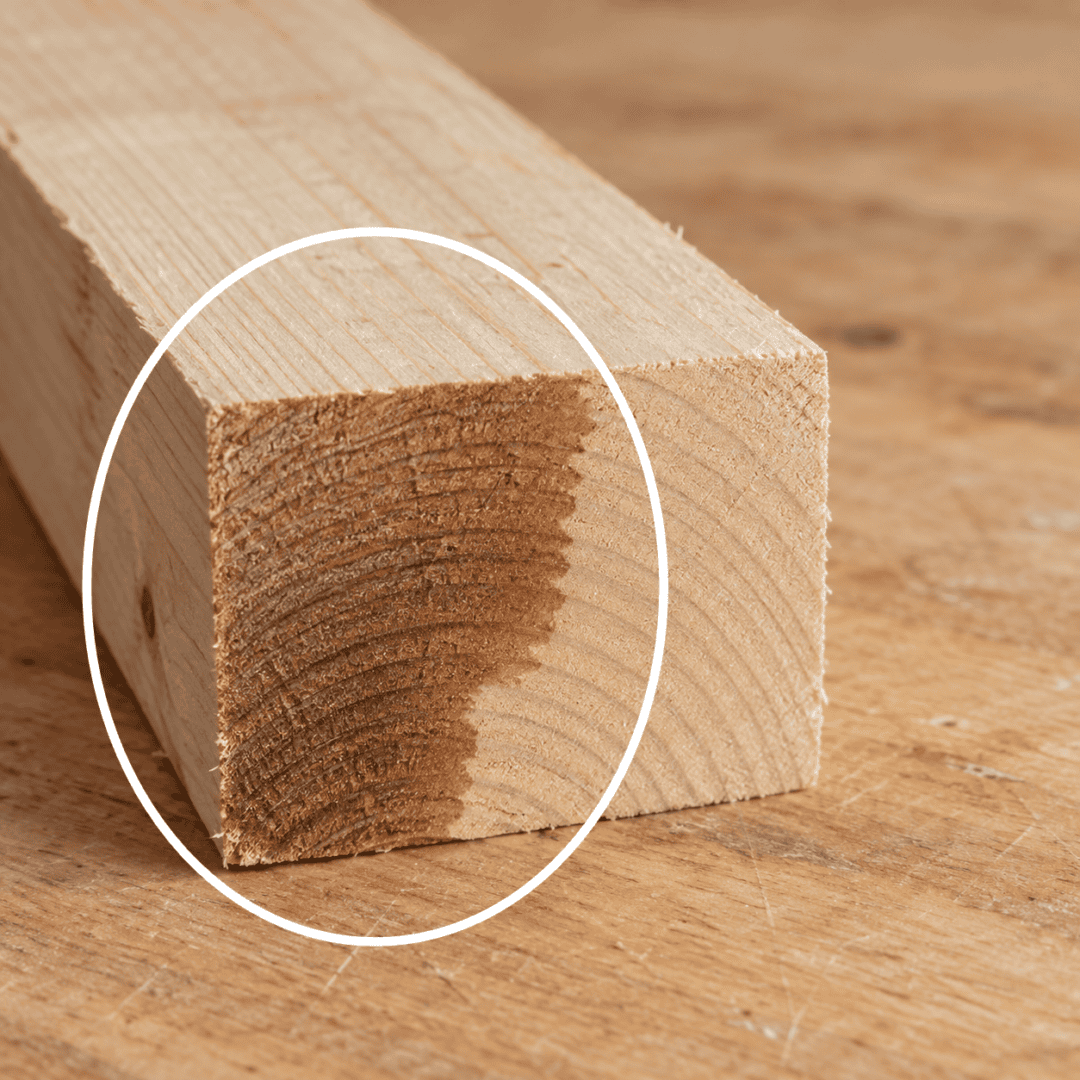
Absorb means to take a substance or energy into a material. In building construction, it most often describes how materials such as wood, brick, concrete, and drywall take in moisture.
Building materials can absorb liquid water through contact with wet surfaces, leaks, or rain. Some materials, including wood, also absorb water vapor from the surrounding air. The amount and rate of absorption depend on the material, its condition, surface treatments, and exposure.
Water absorption does not necessarily mean a material is defective. Brick and concrete, for example, can take in moisture during normal service. Whether that moisture creates a problem depends on how much enters, where it travels, and whether the assembly can dry.
The term also applies to energy. A surface can absorb radiant heat, and acoustical materials can absorb some sound energy. Sound absorption reduces reflected sound within a room; it does not necessarily prevent sound from passing into adjoining rooms.
Understanding which materials absorb moisture helps explain why managing water and allowing assemblies to dry are important. Prolonged or repeated wetting can cause swelling, deterioration, or conditions favorable to fungal growth, depending on the material and exposure.
“Exposed wood at the bottom of the door frame can absorb water when it becomes wet.”