
Definition
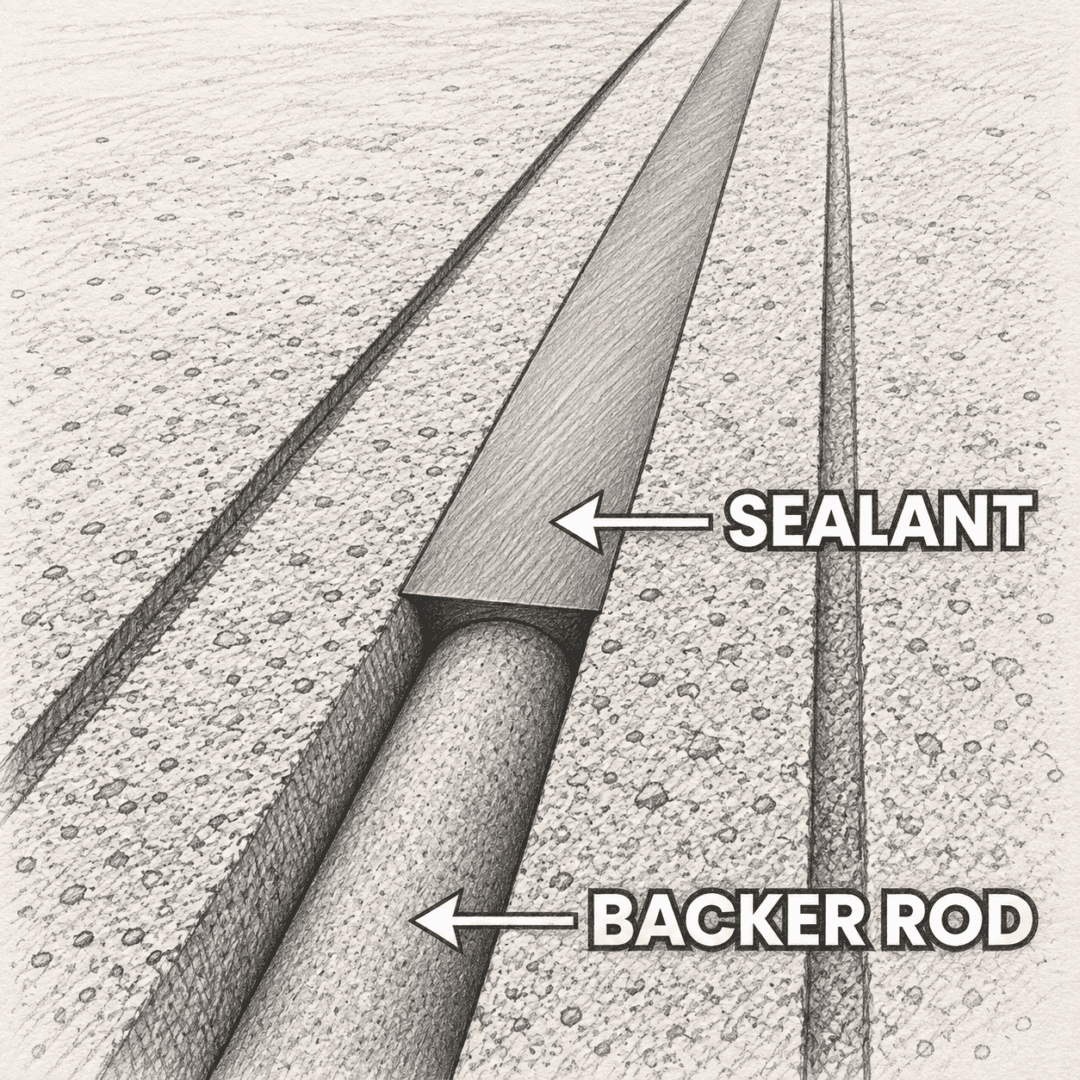
Backer rod is a compressible foam material installed in a joint or gap before applying sealant. It helps establish the proper sealant depth, supports the sealant, and reduces adhesion to the back of the joint.
Explanation
In residential construction, backer rod is commonly used in joints around windows and doors, concrete and masonry joints, siding transitions, and other gaps that will be sealed. It is typically made from polyethylene or similar foam and is selected slightly larger than the joint so it stays in place by compression.
The backer rod creates a consistent base for the sealant and helps form the intended sealant profile. It also prevents the sealant from bonding to three surfaces within the joint. Properly shaped sealant is generally intended to bond to the two opposing sides of the joint while remaining free to flex as the joint moves.
Backer rod is available in different foam types and diameters for different joint conditions. The material should fit snugly without stretching or puncturing during installation.
Why It Matters
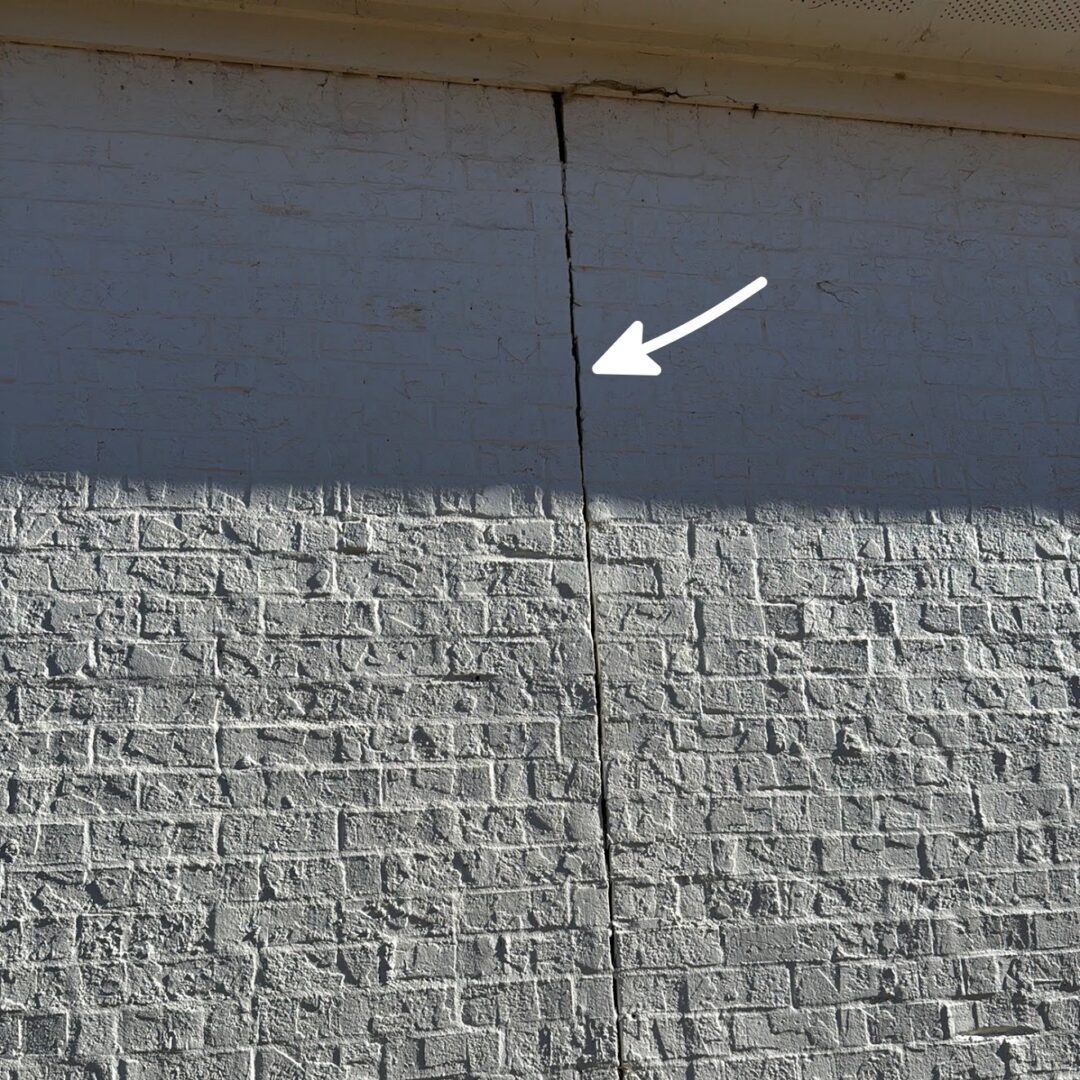
Backer rod can improve the performance and durability of a sealed joint by controlling sealant thickness and allowing the sealant to move more predictably with the adjoining materials. Without proper joint preparation, sealant may be too deep, too thin, or bonded in a way that restricts movement. Unfortunately, I see this condition too often. The mason or the builder has not finished the expansion joint.
Example Usage
At the time of the inspection, the backer rod was not visible. Leaving this joint open invites water intrusion.